Experience Remote Dubbing Training for Dubbing Excellence

Voice acting and dubbing have evolved tremendously over the years. Today, the demand for skilled dubbing artists is higher than ever, thanks to the global expansion of film, television, and digital content. As someone deeply involved in this craft, I understand the importance of continuous learning and adapting to new methods. One of the most exciting developments is the rise of remote dubbing training, which offers unparalleled flexibility and access to expert guidance. Let me take you through why this approach is transforming the dubbing industry and how you can benefit from it.
Unlocking the Potential of Remote Dubbing Training
Remote dubbing training breaks down geographical barriers, allowing voice talents to learn from anywhere in the world. This flexibility is a game-changer for many aspiring and professional voice actors who want to sharpen their skills without relocating or disrupting their schedules.
With remote training, you can:
Access personalized coaching sessions tailored to your voice type and goals.
Practice with real-time feedback from experienced trainers.
Use advanced software and tools designed for voice modulation and dubbing.
Participate in group workshops and peer reviews to enhance your learning experience.
The convenience of remote training means you can fit sessions around your daily routine, making consistent practice more achievable. Plus, the digital format often includes recorded lessons, so you can revisit techniques whenever you need a refresher.

How Remote Voice Training for Dubbing Elevates Your Craft
When I first explored remote voice training for dubbing, I was amazed at how much it improved my vocal control and emotional expression. This training focuses on more than just reading lines; it teaches you to embody characters, match lip movements, and convey the right tone and timing.
Here’s what makes remote voice training so effective:
Customized exercises that target breath control, pitch variation, and articulation.
Scene analysis to understand the context and emotional beats.
Technical skills like syncing voice with video and mastering different dubbing styles.
Confidence building through regular practice and constructive critique.
By engaging in this kind of training, you develop a versatile voice that can adapt to various genres, from animation to documentaries. The ability to work remotely also means you can collaborate with international projects, expanding your career opportunities.

What is the Salary of a Dubbing Artist?
Understanding the financial aspect of dubbing is crucial for anyone considering this career path. Salaries for dubbing artists vary widely depending on experience, location, and the type of project.
Here’s a general overview:
Entry-level artists typically earn between $100 and $300 per hour of finished audio.
Experienced professionals can command rates from $300 to $800 per hour.
High-profile projects or specialized roles may pay even more, sometimes reaching $1,000 or above per hour.
Keep in mind that many dubbing artists work on a freelance basis, so income can fluctuate. However, with consistent work and a strong reputation, dubbing can be a lucrative career. Remote dubbing training helps you build the skills and confidence needed to secure higher-paying gigs and long-term contracts.
Practical Tips to Maximize Your Remote Dubbing Training
To get the most out of your remote dubbing sessions, consider these actionable recommendations:
Create a dedicated recording space - A quiet, soundproof area with good acoustics enhances your recordings.
Invest in quality equipment - A reliable microphone, headphones, and recording software are essential.
Set a regular schedule - Consistency is key to improving your voice and technique.
Record and review your sessions - Listening to your own work helps identify areas for improvement.
Engage with your trainer actively - Ask questions and seek detailed feedback.
Practice lip-syncing - Use video clips to match your voice precisely with the actors’ mouth movements.
Warm up your voice - Vocal exercises before sessions prevent strain and improve performance.
By following these steps, you’ll accelerate your progress and gain the professionalism needed to stand out in the dubbing industry.
Embracing the Future of Voice Acting with Remote Training
The dubbing industry is evolving, and so should your approach to training. Remote dubbing training offers a unique blend of convenience, expert guidance, and technological innovation. It empowers you to refine your craft without boundaries, opening doors to global opportunities.
Whether you are just starting or looking to elevate your existing skills, embracing remote training can be the catalyst for your success. It’s not just about learning to dub; it’s about mastering the art of storytelling through your voice.
Take the leap today and experience how remote dubbing training can transform your career. Your voice deserves to be heard with clarity, emotion, and professionalism - no matter where you are.
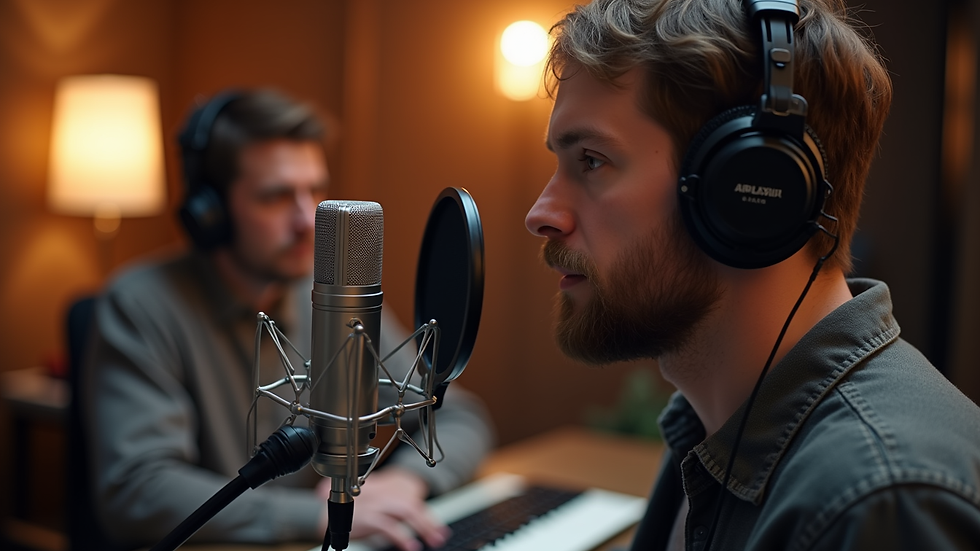
By investing in your skills through remote dubbing training, you position yourself at the forefront of a dynamic and growing industry. The journey to dubbing excellence is within your reach - all you need is the right guidance and dedication.


Comments